Scott Erb
Explore a bygone Transcendentalist community, whose pastoral landscape houses wide-ranging collections of art and artifacts.
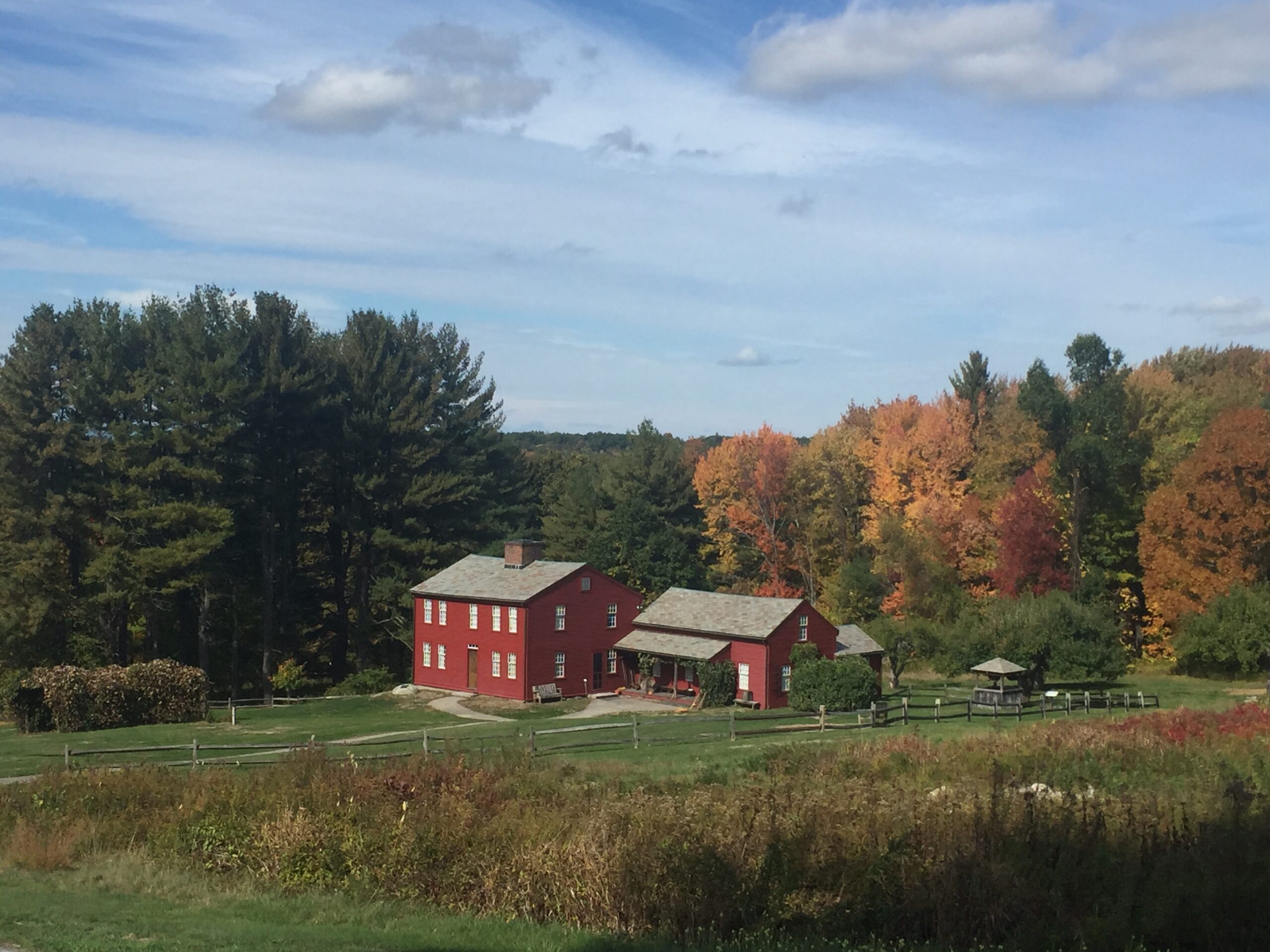
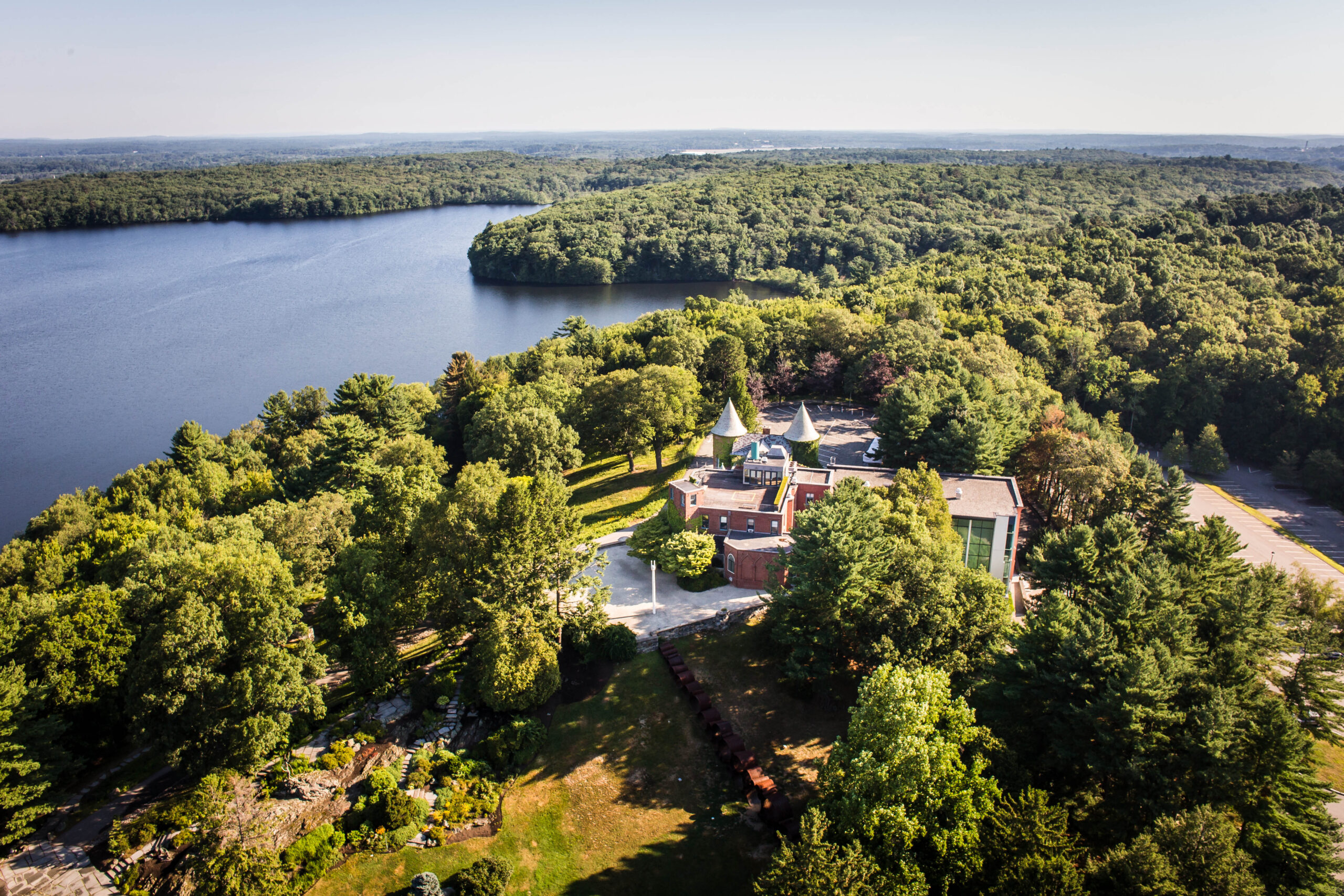
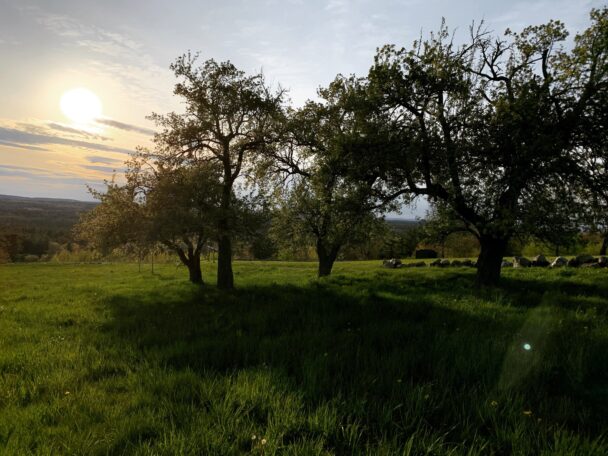
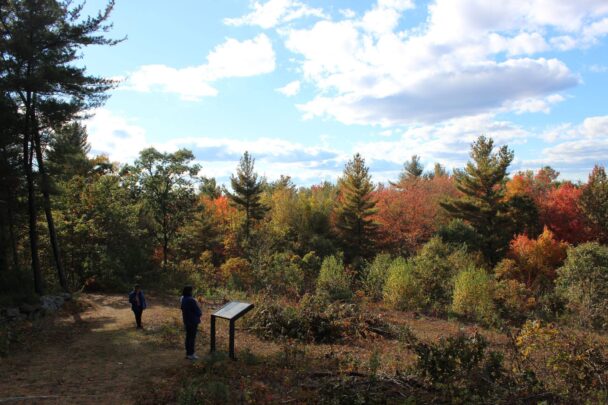
Fruitlands Museum has a diverse collection of art and material culture on 210 acres of land, stunning views, and miles of walking trails.
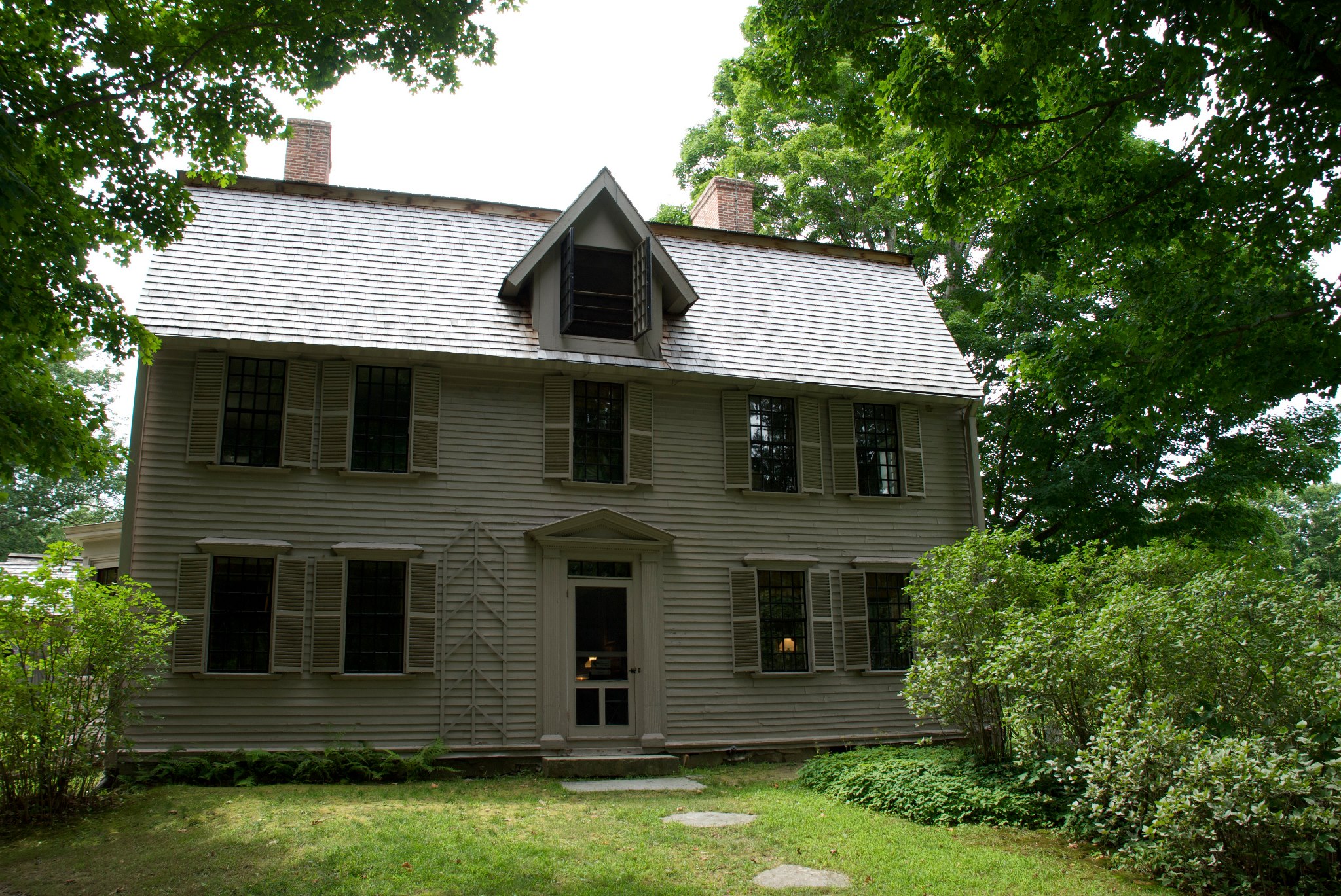
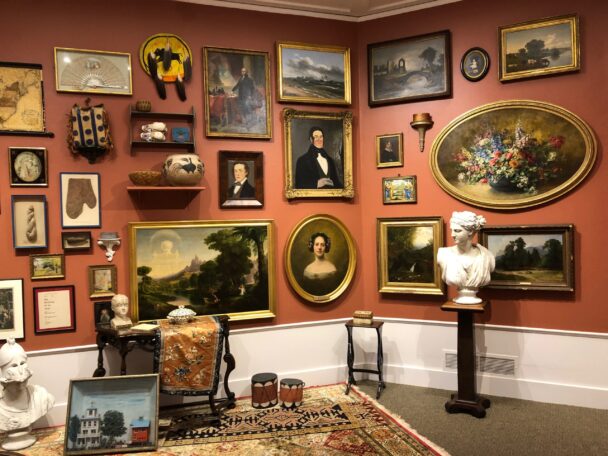
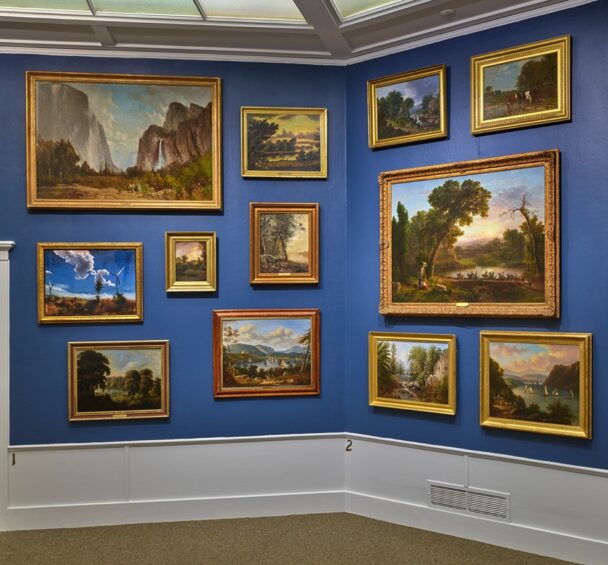
In 1843, Amos Bronson Alcott and Charles Lane turned a swath of Harvard farmland into a Transcendentalist experiment in subsistence farming and Emersonian self-reliance, named Fruitlands, which ultimately disbanded after only seven months. In 1914, Clara Endicott Sears opened the grounds to the public, establishing a museum in the property’s 1820s farmhouse. Now, the 210-acre landscape encompasses five collections first established by Sears: the original Fruitlands Farmhouse; the Shaker Museum, the first such museum in the country; the Native American Museum, celebrating the history of indigenous peoples; the Wayside Visitor Center, a classroom, education, and exhibition space; and the Art Museum.
We are now in our winter season. Winter is a great time to explore the great outdoors. Our trails and grounds will be free and open to the public on weekends for hiking, exploring, birding, and enjoying all that nature has to offer from January 6 to May 12.
During this time, all galleries and buildings, including bathrooms are closed during the winter months. Please plan accordingly.
With buildings and bathrooms closed, please explore and enjoy the outdoors responsibly and respectfully at your own risk.
Please note that Fruitlands Museum consists of several different galleries and historic buildings situated on a steep hill. Please visit the Regulations & Advisories tab on the left for more information.
The Native American Gallery is closed this season as we embark on the process of re-interpreting and re-organizing the collection and gallery spaces. The new space is expected to open in late spring 2024.
The Fruitlands Cafe is now closed for the season, see you in the spring!
Enjoy the exhibits, hike the grounds, or attend events like the summer concert series or the annual craft festival in fall.
The Fruitlands Cafe is now closed for the season, we will see you in the spring!
Things to Do
FROZEN FRUITLANDS ADMISSION
We are open Grounds Only on Saturdays and Sundays from January 6 to May 12. During this time, all galleries and buildings, including bathrooms are closed during the winter months. Please plan accordingly.
During Winter Open Hours visit the Art Gallery, Wayside Gallery, Museum Store, and Grounds. The Native American Gallery, Shaker Gallery, and Fruitlands Farmhouse are closed for the winter season and will re-open for the Main Season in mid-May.
Weather permitting, enjoy sledding runs on our many hills (be sure to bring your own sled!) and snowshoe or cross country ski on our grounds. Snowshoe rentals are available on a first come first serve basis with limited sizes available. Please note, the trails are not groomed for skiing, though guests visiting with their own skis are welcome on the trails and meadows.
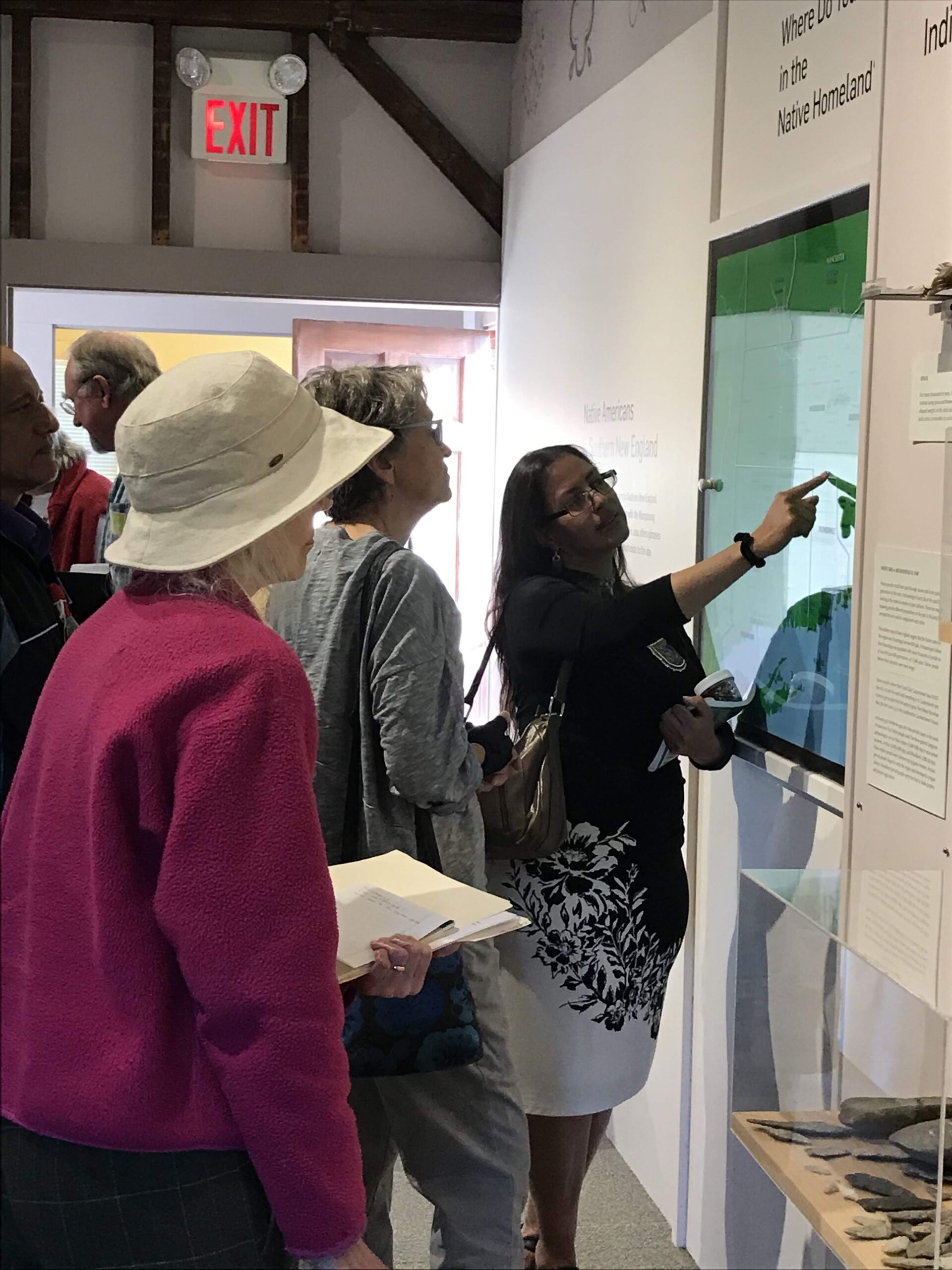
The Native American Gallery is closed this season as we embark on the process of re-interpreting and re-organizing the collection and gallery spaces. The new space is expected to open in late spring 2024. During the hiatus, we are hosting monthly spotlight talks with Tess Lukey, our Associate Curator of Native American Art. These spotlight talks highlight her ongoing research, are free with admission. Learn more and pre-register here
We welcome school and youth groups for experiential educational programs. Please visit our Education Page for details. To initiate a visit, please email fruitlandseducation@thetrustees.org.
Fruitlands Museum
102 Prospect Hill Road
Harvard, Massachusetts 01451
Phone: 978.456.3924
Get directions on Google Maps.
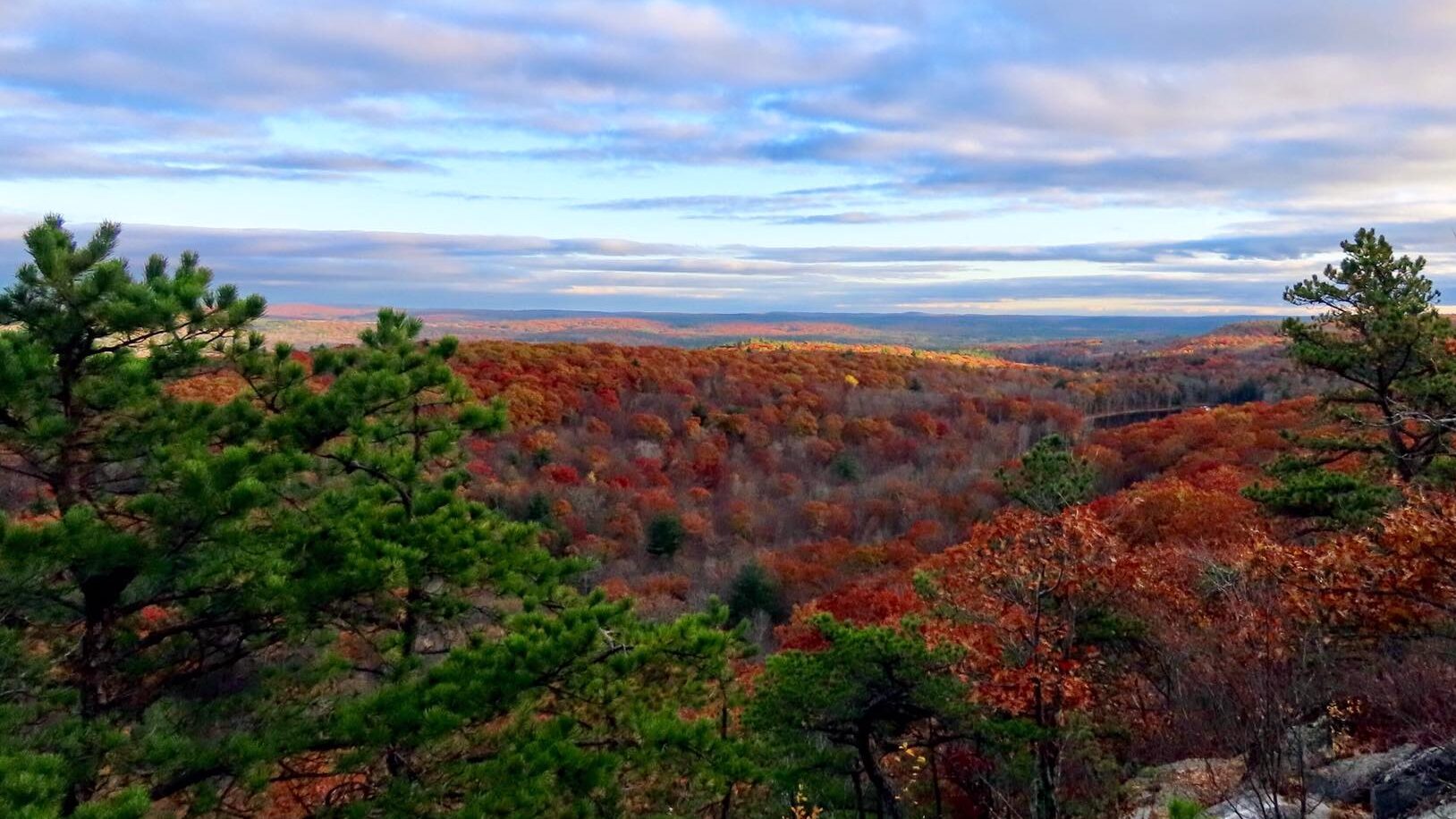
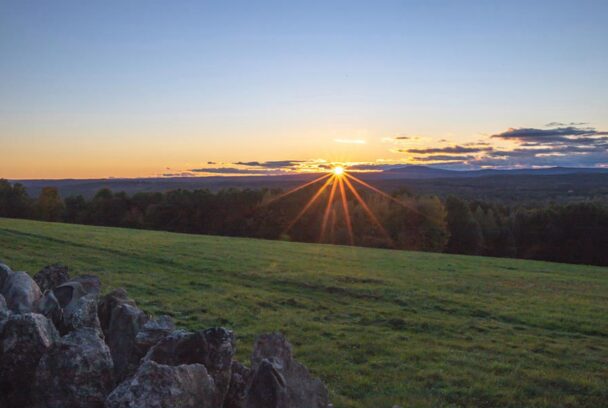
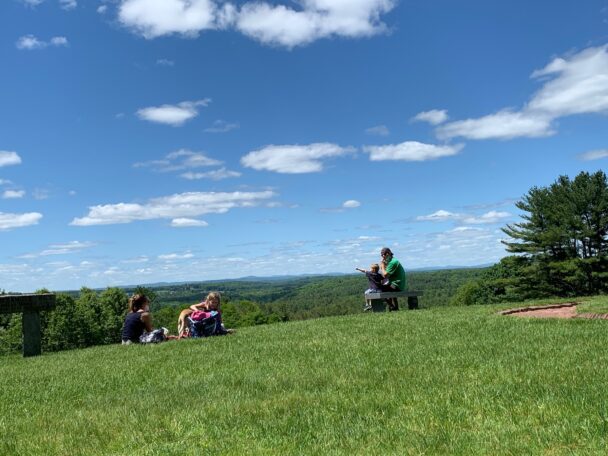
Fruitlands Museum is located in eastern Massachusetts about 45 minutes west of Boston off of Route 2. The Museum has a spectacular view to the west of Mount Wachusett and, on a clear day, to Mount Monadnock in New Hampshire. The view west overlooks the Oxbow Wildlife Refuge and the Nashua River Valley.
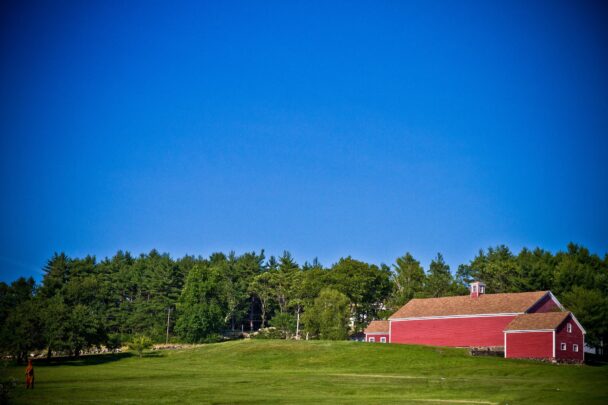
Explore our museum collections and historic buildings as well as 210 acres of woodlands and meadows. Our site offers a great location for weddings, corporate events and family outings.
FROM THE EAST
Take Route 2 west to exit 109A. Head south on Route 110 and take your first right onto Old Shirley Road. The Museum is about two miles ahead on the right.
FROM THE WEST
Take Route 2 east to exit 109A. Head south on Route 110 and take your first right onto Old Shirley Road. The Museum is about two miles ahead on the right.
FROM THE NORTH
Take 495 South to Route 2 west to exit 109A. Head south on Route 110 and take your first right onto Old Shirley Road. The Museum is about two miles ahead on the right.
FROM THE SOUTH
Take 495 north to Route 2 west to exit 109A. Head south on Route 110 and take your first right onto Old Shirley Road. The Museum is about two miles on the right.
At Fruitlands Museum, explore art, history, and nature in current exhibitions, historic house tours, and expansive grounds.
Accessibility
Fruitlands Museum consists of several different galleries and historic buildings situated on a steep hill.
Accessible parking is located at the upper lot by the Museum Shop, and the lower lot by the Wayside and Art Galleries.
Accessible bathrooms are available at the Prospect House Café/Gift Shop and at the Wayside Gallery.
All art galleries, as well as the Fruitlands Museum Cafe and Shop are all wheelchair accessible. The Shaker Building and Fruitlands Farmhouse are not currently wheelchair accessible.
For more information about hosting your wedding or private event at Fruitlands Museum, please visit our website.
Free trail map distributed from bulletin board in the parking area. Please understand that supplies periodically run out. We recommend that you take a photo of the map on your phone so you can refer to it during your visit, or download a trail map before you head out.
Fruitlands Museum consists of several different galleries and historic buildings situated on a steep hill.
Accessible parking is located at the upper lot by the Museum Shop, and the lower lot by the Wayside and Art Galleries.
Accessible bathrooms are available at the Prospect House Café/Gift Shop and at the Wayside Gallery.
All art galleries, as well as the Fruitlands Museum Cafe and Shop are all wheelchair accessible. The Shaker Building and Fruitlands Farmhouse are not currently wheelchair accessible.
Please click here to reserve advance passes.
on this page
In 1843, Amos Bronson Alcott and Charles Lane turned a swath of Harvard farmland into a Transcendentalist experiment in subsistence farming and Emersonian self-reliance, named “Fruitlands,” which ultimately disbanded after only seven months. In 1914, Clara Endicott Sears opened the grounds to the public, establishing a museum in the property’s 1820s farmhouse.
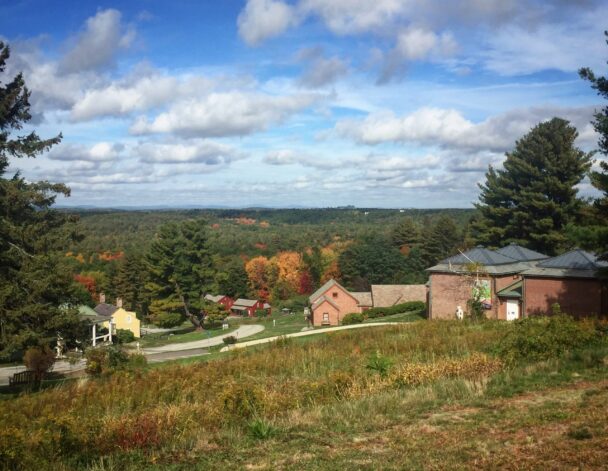
This place is a hidden gem, between the views and the food!
– James, Facebook